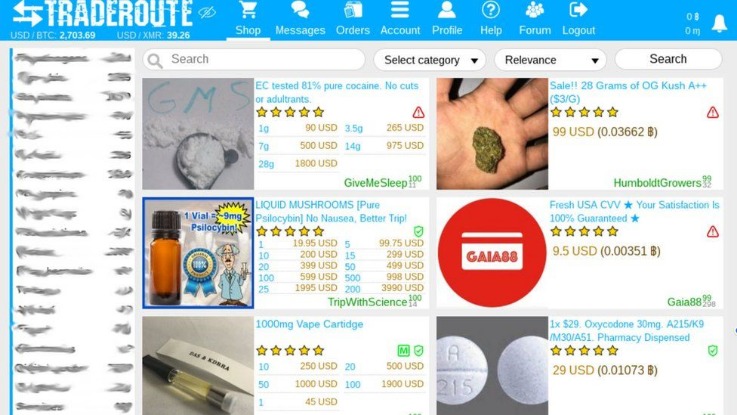
The internet is vast, with its depths holding both light and dark corners. Among these, the dark web site represents a unique and often misunderstood aspect of online activity. While many associate it with illegal enterprises, there exists a broader narrative that encompasses privacy, freedom of information, and the complex interactions within digital ecosystems. Understanding the dark web is crucial for becoming informed citizens in today's increasingly digital world.
Do not download the material; simply record the URL you found it on, plus any other metadata you might obtain securely. Anyone wishing to use a Tor browser should be aware that there may be legal ramifications as well as ethical considerations surrounding their utilization of darknet websites. It achieves anonymity through Garlic Routing, a more complex method than Tor’s Onion Routing, and hosts its own naming conventions called Eepsites (an eepsite is I2P’s equivalent of a Clearnet or .com website). There are many anonymous/encrypted overlay networks hosting dark web links (darknets). Security researchers and dark web analysts usually keep an eye on forums like Dread and other smaller online groups. If a regular website (like a .com or .org) also runs an official .onion mirror, it can let people know with a header.
What is the Dark Web?
The dark web is a part of the deep web, which consists of all parts of the internet not indexed by standard search engines. In contrast to the surface web, where information is easily accessible, the dark web site operates on overlay networks, requiring specific software for access—most commonly, the Tor Browser. This anonymity appeals to various users for both legitimate and illegitimate purposes.
- Individual sites on the dark web look much like they do on the regular web, though a lot of them are a bit more rough around the edges.
- The best thing is to actually understand how to find the fresh, new links.
- On the plus side, Torch allows for searching through many .onion links that are no longer hosted, allowing you access to many older and unusual links, giving a unique perspective into how the dark web has changed over the years.
- Whereas the deep web is the part of the web not searchable by traditional search engines and requires special tools to access it.
- This includes buying or selling illicit goods, illegal transactions, and downloading copyrighted material.
Legitimate Uses of the Dark Web
Not all activities on the dark web are illegal. For instance, journalists and whistleblowers often utilize its anonymity to communicate sensitive information without risking their safety. Activists in oppressive regimes might access a dark web site to share ideas and gather support without governmental oversight. Additionally, privacy-conscious individuals may seek out the dark web to protect their personal information from corporations and stakeholders interested in their data.
The Risks of the Dark Web
While there are legitimate uses, the risks associated with the dark web site cannot be overlooked. It is frequently linked to criminal activities, including drug trafficking, arms sales, and the distribution of stolen data. Users who venture into these spaces may inadvertently expose themselves to scams, malware, and legal repercussions. Therefore, it's vital to approach the dark web with caution and well-informed awareness.
How to Access the Dark Web Safely
For those interested in exploring the dark web, safety measures are paramount. Here are essential tips:
- Use a Virtual Private Network (VPN): This adds an extra layer of security to your internet connection.
- Download Tor Browser: Access to dark web sites is possible only through this specialized browser.
- Stay Anonymized: Avoid sharing personal information that could compromise your identity.
- Be Wary of Links: Bookmarking reliable .onion sites and bypassing unknown links can help protect you.
Conclusion
The dark web site serves as a complex landscape, intertwined with both peril and promise. By educating ourselves about its nature and purposes, we can navigate this segment of the internet with greater awareness. Striking a balance between the quest for privacy and the avoidance of illegal activities creates a pathway for informed engagement, possibly even enriching our understanding of the digital world.