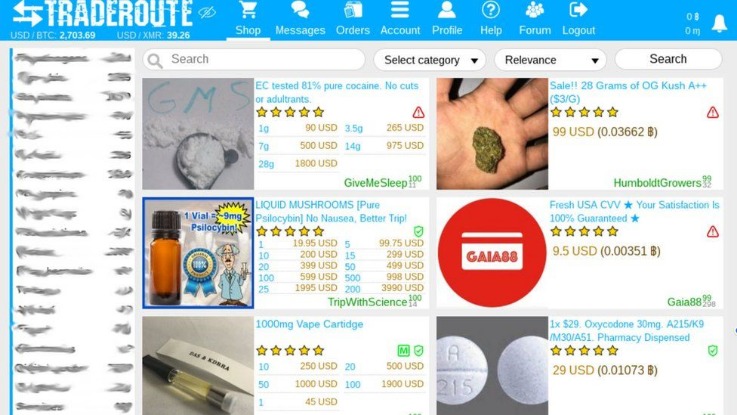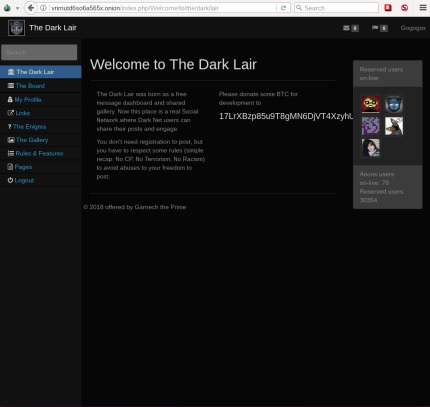
When credentials leak, they often appear on dark web sites before attackers exploit them. The 2025 CrowdStrike Global Threat Report found that access broker advertisements increased 50% year-over-year. Security teams monitor these conversations to catch threats early.
The internet is a vast landscape of information, with much of it easily accessible on the surface web. However, beneath this ordinary surface lies a hidden realm known as the dark web. To navigate this concealed part of the internet, individuals often rely on specialized tools—dark web search engines. Understanding how these search engines work, what they index, and the unique challenges they present is crucial for anyone looking to explore this shadowy side of the online world.
So, considering these risks, here are the top 10 dark web search engines of 2026 that will be a great help for users to search dark web sites in a safe and more efficient way. In contrast to websites on the surface web that anyone can visit, dark web sites are hidden in very tightly secured networks that can only be accessed by means of a dark web browser which is one of the advanced tools. Dark web search engines only index .onion sites on the Tor network.
Dark Web Search Engine
Many dark net sites do not undertake the necessary measures to protect users like most websites on the surface web. So, we recommend using the official Tor Browser only as the only safe way to access .onion sites unless you have in-depth tech knowledge and know what you’re doing. Other sites explicitly block search engines from identifying them. You can access it with regular web browsers and search engines. The dark web is part of the internet that is not indexed by standard search engines like Google, Yahoo, and Bing.
Dark web search engines serve a very different purpose compared to their surface web counterparts. While traditional search engines like Google and Bing index publicly accessible websites, dark web search engines focus on content that is intentionally hidden from the mainstream internet. This content can be hosted on websites that require special software, such as Tor, to access. Examples of well-known dark web search engines include DuckDuckGo (configured for the dark web), notEvil, and Ahmia, each having their unique methodology for indexing and displaying results.
The Functionality of Dark Web Search Engines
Dark web search engines utilize a variety of methods to find and index hidden sites. Unlike average search engines, they gather information from web directories, user submissions, and crawling, but they must also deal with a significant amount of ephemeral content. Many sites on the dark web are frequently changed or taken down, making it challenging for search engines to maintain an updated index.
Types of Content Accessible
The dark web hosts a mix of content, ranging from benign to illegal. Users can find privacy-focused forums, whistleblower sites, and even online marketplaces. However, it is essential to approach this content with caution. Not everything on the dark web is illicit, but some areas do promote illegal activities, counterfeit goods, and more. With this in mind, it’s vital for users to remain informed about their digital safety and the legal implications of accessing certain content.
- Its open-source codebase allows security teams to analyze underlying code and contribute to platform development.
- If you just search generic terms, be ready for a wild west of results.
- The biggest and most frustrating part about dark websites is that they live for a short span of time.
- It collects data from the public Tor network and archives historical data of the Tor ecosystem.
- It offers multiple security protocols, including OpenVPN UDP/TCP, L2TP/IPSec, and PPTP.
Navigating the Dark Web Safely
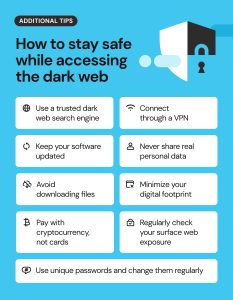
If individuals decide to explore the dark web, using dark web search engines safely is of utmost importance. This includes utilizing the Tor browser for secure browsing, employing VPNs for anonymity, and being cautious about sharing personal information. Users should also be wary of scams that are prevalent in this unregulated space. Optimizing digital hygiene by avoiding downloads from unknown sources and keeping security software updated can greatly reduce risks.
Legal Implications and Ethical Considerations
While browsing the dark web using dark web search engines is not inherently illegal, it can lead to exposure to illegal activities. It is crucial to understand the legal boundaries in one’s jurisdiction and to navigate this space ethically. Educating oneself about what constitutes legal versus illegal content will go a long way in ensuring that users do not accidentally cross lines that could have serious consequences.
Conclusion
As interest in the dark web continues to grow, the necessity for reliable dark web search engines becomes more pronounced. By understanding what these search engines offer and the types of content they index, users can better navigate this clandestine digital landscape. With a focus on safety, legality, and ethical considerations, individuals can potentially find valuable resources, connect with like-minded individuals, or simply satisfy their curiosity while remaining within the bounds of the law.