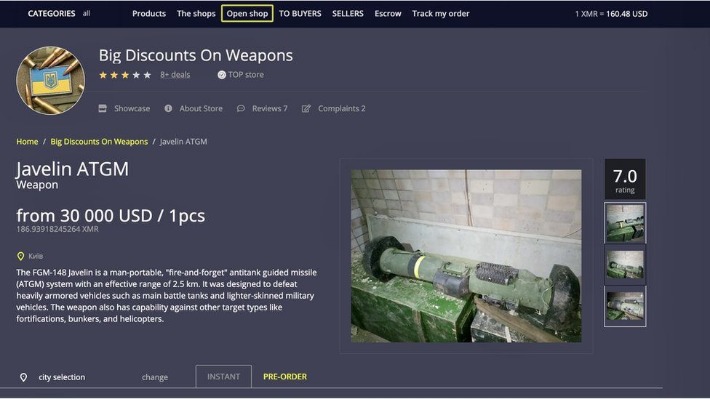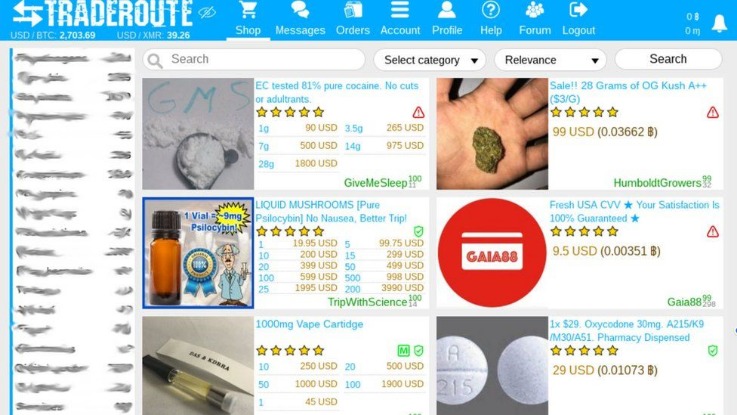
These sites sit in the part of the internet known as the dark web. As the dark web continues to grow, safe access to dark web sites matters more than ever. Ahmia emphasizes legal content filtering, DuckDuckGo prioritizes privacy without tracking, NotEvil covers extensive indexing of forums and marketplaces, while Haystak offers advanced filtering and historical snapshots.
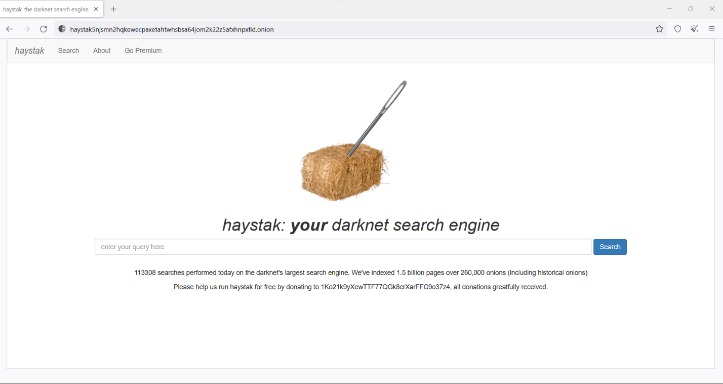
Torch is widely referenced as a long-running Tor search engine, even though it offers limited public detail about how it indexes content. Candle is a lightweight, open-source dark web search engine with basic search functionality and high speed. Phobos is a minimalistic dark web search engine known for its simplicity and fast indexing. Haystak is used to search dark web marketplaces, leaked databases, and darknet forums, often by cybersecurity experts. However, accessing illegal content through them is not.
The internet is a vast space that encompasses much more than what is visible on traditional search engines. One of its more mysterious corners is known as the dark web. While it is often associated with illegal activities, there are legitimate uses for this part of the internet. Understanding dark web search engines and how they function can equip users with knowledge that is crucial for navigating this hidden online realm safely and purposefully.
Dark Web Search Engines
The dark web is a segment of the internet that is not indexed by standard search engines like Google or Bing. Instead, it requires specific software and configurations to access. Within this hidden web, dark web search engines serve as gateways, helping users locate information, forums, and services operating in this secretive underground.
How Do Dark Web Search Engines Work?
Dark web search engines are designed to navigate the .onion and .hidden domains that are not accessible through conventional browsers. Here’s how they operate:
- Specialized Software: Most dark web sites require the Tor browser or similar software to access.
- Anonymity: These search engines offer anonymity by masking users' IP addresses, providing a layer of privacy.
- Selective Indexing: Unlike traditional search engines, dark web search engines index only a small portion of available content, focusing on hidden services.
Popular Dark Web Search Engines
There are several dark web search engines that users can utilize to find different types of information. Here are some notable ones:
- Ahmia: A user-friendly interface that allows for searching hidden services in a more accessible format.
- DuckDuckGo: A privacy-focused search engine that also indexes certain dark web domains.
- The Pirate Bay: While primarily a torrent site, it can be accessed through the dark web with specific search functionality.
- Not Evil: A search engine that provides a variety of links to hidden services, focusing on accessible content.
- For example, you can find information unavailable to the public and share data privately while protecting your online identity.
- Brand Protection Phishing Detection Dark Web Monitoring Counterfeit Protection Security Tools
- It's a fantastic resource for researchers—especially family historians, genealogists, and students.
- DuckDuckGo does not index .onion domains; instead, DuckDuckGo serves as your entrance to the surface web without tracking as would usually occur.
- What’s illegal is engaging in criminal activity on the dark web, like buying stolen data or illegal goods.
Benefits of Using Dark Web Search Engines
While often regarded with trepidation, utilizing dark web search engines can offer several advantages:
- Access to Uncensored Information: Users can find information that may not be available on the surface web due to censorship.
- Communication Platforms: Various forums and communication channels for individuals who seek privacy can be accessed.
- Resources and Support: There are networks available for advocacy, such as forums focused on privacy rights and free speech.
Safety Tips for Navigating the Dark Web
- Renowned for its precision, it offers highly accurate and relevant results, making it a trustworthy resource for dark web users.
- Professional dark web monitoring platforms solve the limitations of manual search.
- However, accessing these shady corners must be done carefully and legally.
- Because of this, some people use it to get around government restrictions, while others use it for illegal activities like smuggling drugs and weapons.
- So, considering these risks, here are the top 10 dark web search engines of 2026 that will be a great help for users to search dark web sites in a safe and more efficient way.
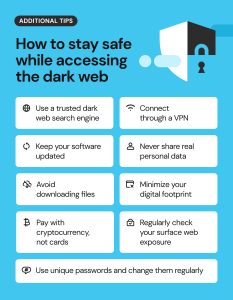
While navigating the dark web can be insightful, it is crucial to prioritize safety. Here are some practical tips:
- Use a VPN: Enhance your anonymity by using a Virtual Private Network while accessing the dark web.
- Be Cautious: Avoid clicking on suspicious links or downloading unknown files to protect against malware.
- Limit Activity: Stay vigilant and avoid sharing personal information or engaging in questionable actions.
FAQs About Dark Web Search Engines
1. Are all websites on the dark web illegal?
No, while many sites may host illegal services, there are also legal forums, educational resources, and privacy-focused platforms.
2. Is it safe to use dark web search engines?
While many users navigate the dark web safely, caution is necessary. Always use protective measures like VPNs and stay educated about potential risks.
3. Can I access the dark web with regular browsers?
No, a specialized browser like Tor is required to access dark web sites due to their unique addressing system.
In conclusion, understanding dark web search engines can open doors to a world of information that is often overlooked. By exercising caution and awareness, users can navigate this enigmatic online landscape effectively and safely.