The term darknet address often evokes a mix of curiosity and apprehension. For many, the darknet represents a hidden segment of the internet, accessible only through specific software, configurations, or authorization. While it is true that the darknet hosts a variety of content, not all of it is illicit. This article aims to shed light on what a darknet address is, how it differs from the conventional internet, and its various uses, ensuring readers are educated on navigating this complex online landscape.
Darknet Address
A darknet address typically refers to a URL that can be accessed exclusively via the darknet. These addresses often end with the ".onion" or ".i2p" domain extensions, which signify their availability on specific networks such as Tor or I2P. Below are key distinctions and features of darknet addresses:
Key Features of Darknet Addresses
- Anonymity: Users can browse these addresses without revealing their IP addresses, providing a level of privacy often sought by users.
- Access Restrictions: Standard browsers cannot access these sites; specialized software like Tor must be used.
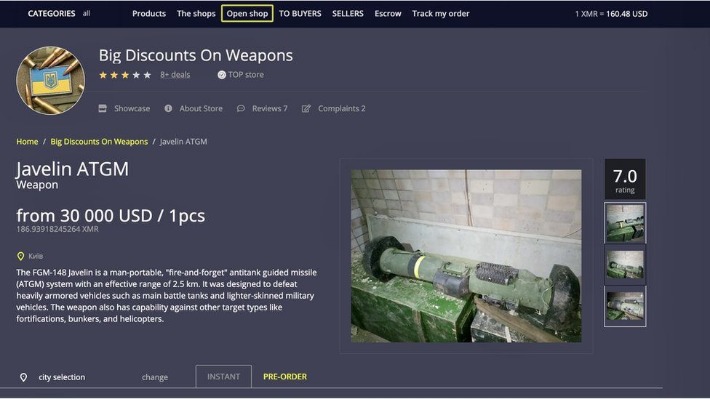
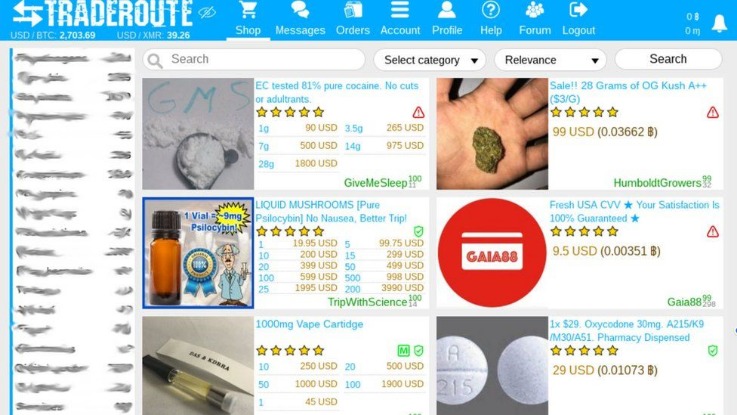
- Content Variety: While many darknet addresses host illegal activities, others provide forums, educational resources, and support platforms.
How to Access Darknet Addresses
- Download Tor Browser: Start by downloading the Tor Browser, which is designed for accessing .onion websites securely.
- Establish a Secure Connection: Ensure your internet connection is stable, and ideally, use VPN for added anonymity.
- Find Valid Darknet Addresses: Searching for .onion addresses requires caution; ensure you use trusted sources to find legitimate sites.
- Browse Safely: Avoid sharing personal information, and be wary of the content you engage with.
Common Misconceptions Regarding Darknet Addresses
Many misconceptions surround darknet addresses. It is essential to address the following:
- Not All Are Illegal: While illegal activities do occur, many darknet addresses serve purposes such as activism, privacy advocacy, and free speech.
- Risk Levels Vary: Engaging with darknet content requires knowledge and caution, as some sites may indeed present dangers.
- Privacy vs. Security: While anonymity is a feature of the darknet, this does not automatically mean all activities are secure or safe.
Frequently Asked Questions (FAQs)
Q: Is it illegal to access darknet addresses?
A: Accessing the darknet is not illegal in most countries, but engaging in illegal activities there is against the law.
Q: Can I use the regular internet to find a darknet address?

A: You can find references to darknet addresses on the regular internet, but they require specialized software like Tor to access.
Q: Is my information safe when browsing darknet addresses?
A: Browsing the darknet provides anonymity, but it’s vital to use additional security measures to protect your information.
Conclusion
Understanding darknet addresses expands awareness about the internet's complex landscape. While this segment of the internet offers various resources, users must navigate it with caution to avoid potential risks. Whether driven by curiosity, the need for privacy, or the search for specific information, being informed is key to making safe choices in the digital realm.