The internet is vast and multifaceted, encompassing various layers that cater to different needs and users. Among these layers, the terms dark web and deep web often come up, but many people are unaware of the differences between the two. Understanding these distinctions is crucial for navigating online spaces safely and securely. This article aims to shed light on the dark web vs deep web comparison, helping you to differentiate between them and revealing their implications in the digital world.
What is the Deep Web?
- Organizations that monitor dark web activities can detect credential exposure and potential threats before they materialize into breaches.
- The dark web is a hidden slice of the deep web that runs on encrypted overlay networks (often called a darknet).
- The deep web and dark web have many uses, but they also come with risks.
- Highly difficult to trace activities
- Hence, the deep web encompasses the dark web which constitutes a relatively smaller section entirely hidden and requires software specialized as Tor to access.
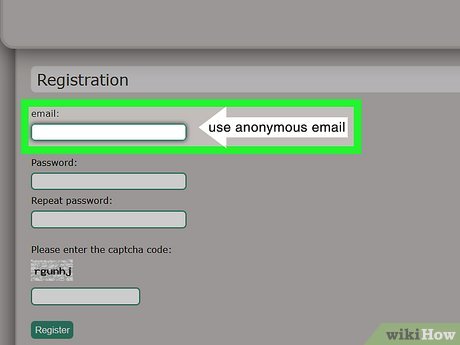
- The dark web is the hidden part of the internet that can only be accessed via specific tools like Tor (The Onion Router) or I2P (Invisible Internet Project).
The deep web refers to parts of the internet that are not indexed by traditional search engines like Google, Bing, or Yahoo. This means that information on the deep web is not accessible through regular searches. Instead, the deep web includes a plethora of databases, private websites, academic resources, and corporate intranets. These sections of the web generally require specific credentials, subscriptions, or permissions to access. Examples of deep web content include:
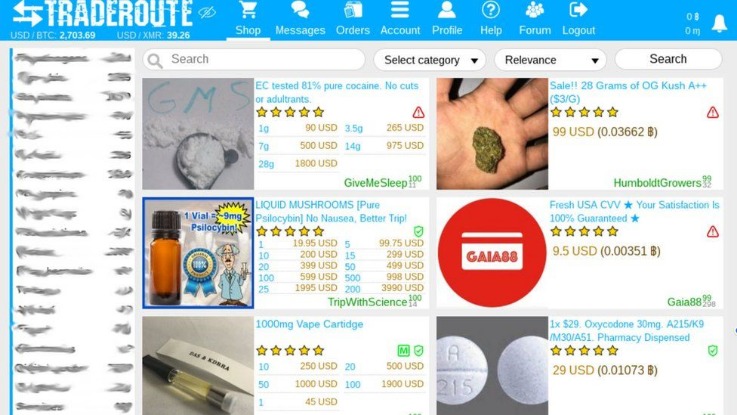
If you have the correct URL and credentials, you can access it through Chrome, Safari, or Firefox like any other site. Some services advertised (like hired violence) are often scams, but the intent and threat environment can still be serious. This is one of the strongest reasons many people conclude the dark web can be dangerous. Some marketplaces operate like shadow versions of e-commerce, offering prohibited goods and services. For journalists, activists, and vulnerable communities, anonymity can be protective rather than suspicious. That design supports real privacy needs, but it also attracts crime, which is why people ask whether the dark web is dangerous and whether it even exists in the first place.
- Online banking sites
- Medical records
- Legal documents
- Academic databases
In essence, the deep web represents a significant majority of the internet's content, far exceeding the surface web that most users interact with daily.
What is the Dark Web?
In contrast, the dark web is a small portion of the deep web that has been intentionally hidden and is inaccessible without special software, configurations, or authorization. The most common way to access the dark web is through the Tor network, which anonymizes users to protect their identities. While the dark web has a reputation for being a hub of illegal activities, it also serves as a platform for privacy advocates, whistleblowers, and political dissidents. Some characteristics of the dark web include:
- Illicit marketplaces for drugs, weapons, and stolen data
- Forums for discussing sensitive topics in anonymity
- Platforms for whistleblowing and sharing information securely
While not everything on the dark web is illegal, the anonymity it provides can facilitate unsafe dealings.
Key Differences Between Dark Web and Deep Web
To further clarify the dark web vs deep web distinction, consider the following key differences:
- Access and Visibility: The deep web includes information that requires specific credentials, while the dark web necessitates special software like Tor.
- Content Type: Deep web content is generally legitimate and useful, such as academic databases and private company information. The dark web often hosts illegal or malicious activities.
- User Intent: Users access the deep web for practical reasons like banking or research, whereas the dark web attracts users looking for anonymity, whether for legal or illegal purposes.
Implications for Safety and Security
- After all, there’s nothing illegal about accessing your email, social media, university website, banking website or other online services.
- Unlike standard websites, dark web sites use encryption technologies like The Onion Router (Tor) to mask user identity and activity.
- These tools can warn you if your personal data or sensitive information shows up where it should not
- Users of the dark web might face severe trouble with scams, legal issues, and threats against their safety.
- The dark internet, the deep web space, is riskier because bad actors can hide behind anonymity.
- The dark web can expose you to scams, malware or even illegal content.
Understanding the differences between the dark web and the deep web is vital for internet safety. While the deep web is predominantly safe, its existence raises concerns about privacy and the security of personal information. In contrast, the dark web poses significant risks due to its association with cybercrime and illicit activities. Anyone considering accessing the dark web should exercise extreme caution, as it can expose users to fraud, hacking attempts, and law enforcement scrutiny.
Conclusion
In summary, while both the deep web and the dark web are essential components of the internet, they serve markedly different purposes. Awareness of the dark web vs deep web distinction can empower individuals to navigate the digital landscape wisely and to prioritize their safety online. With knowledge comes power, and being informed about these aspects of the internet can ultimately lead to better protection in an increasingly complex online world.