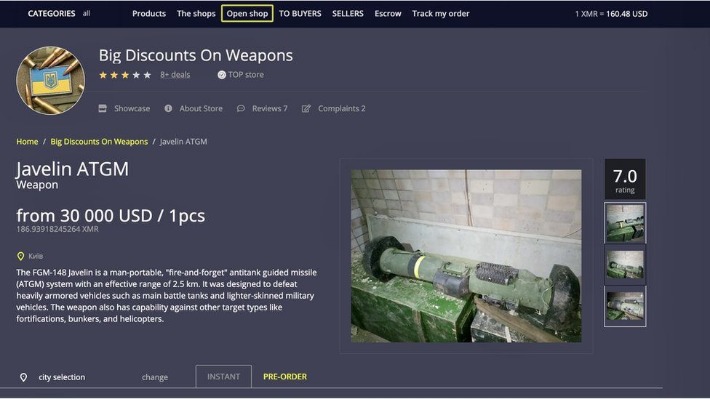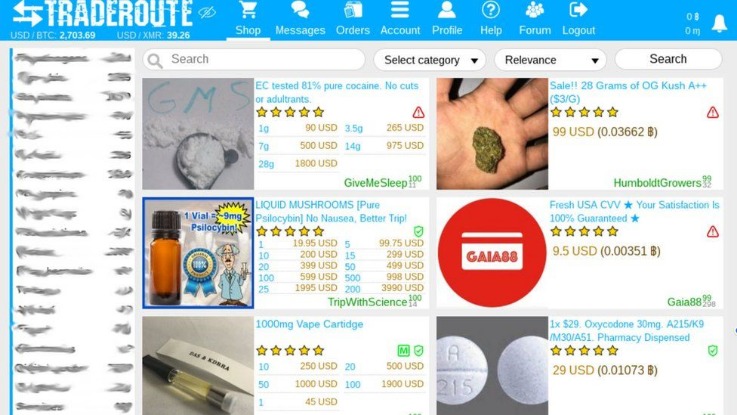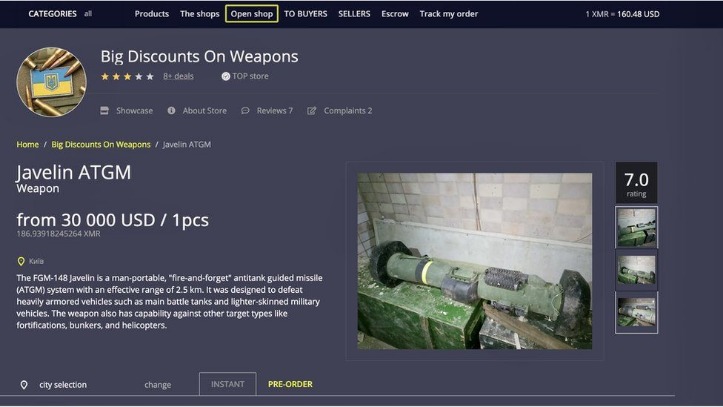
The dark web has long been shrouded in mystery and intrigue. Often painted as a haven for illegal activities, it is essential to understand its true nature and the implications it has on internet privacy, security, and even societal issues. This article aims to unveil the complexities of the dark web, informing readers about its functionalities and the reasons why knowledge of this hidden part of the internet can be life-saving.
Understanding the Dark Web
The dark web refers to a segment of the internet that is not indexed by traditional search engines like Google or Bing. It requires specific software, configurations, or authorization to access. Most notably, the Tor network is one of the primary gateways to the dark web, allowing users to browse anonymously. This anonymity can be a double-edged sword, providing privacy for users while also facilitating illicit activities.
The result of all this dirty dealing and double crossing is that the dark web experiences a significant amount of churn. “A lot of the data turns out to be fake, but you can’t really tell the difference.” “They can feed an AI the documents and data they do have and say, ‘Expand on this set and make it look like a larger collection,’” Gates explains. And with the advent of generative AI, they can make their lies even more convincing, creating fake data to make breaches appear bigger than they are. For example, they might claim to have stolen more impressive datasets than they really have in an attempt to drum up business, pressure victims or seem more accomplished.
The Components of the Deep Web and Dark Web
To fully grasp the concept of the dark web, it helps to differentiate between three layers of the internet:
- Surface Web: This is the portion of the internet that is publicly accessible and indexed by search engines.
- Deep Web: This layer encompasses all online content that is not indexed, including databases, private corporate websites, and academic resources. It is significantly larger than the surface web.
- Dark Web: A small subset of the deep web, the dark web requires specific tools to access and can only be reached using special anonymizing software.
Children whose photos were used were harmed, Gagnon said, as well as children harmed by the growing market for such AI content and any children victimized by anyone whose “fantasies” were “fueled” by the flood of AI images normalizing illegal activity online. Some companies behind AI image generators have attempted to fight malicious content by restricting thousands of keywords, but ActiveFence’s report indicated that users of dark web pedophile forums trade guides spelling out how to work around keyword restrictions and other safeguards. “Roughly 80 percent of respondents” to a poll posted in a dark web forum with 3,000 members said that “they had used or intended to use AI tools to create child sexual abuse images,” ActiveFence, which builds trust and safety tools for online platforms and streaming sites, reported in May.
Why People Use the Dark Web
- Significantly smaller than the tiny surface web, the dark web is considered a part of the deep web.
- This geographic spread reflects broad international interest rather than isolated pockets of activity.
- The dark web is not only a safe haven for criminals indulging in illicit activities but also for people involved in research, business, corporate espionage, and more.
- Attorney’s Office would take conduct of prosecuting these cases in the U.S.
While the dark web is often associated with illegal activities such as drug trafficking and the sale of stolen data, there are several legitimate reasons why people might choose to venture into this hidden part of the internet:
- Privacy Protection: Individuals living under repressive regimes may turn to the dark web to communicate freely without fear of government surveillance.
- Whistleblowing: The dark web can serve as a platform for whistleblowers to leak sensitive information safely and anonymously.
- Research Purposes: Cybersecurity professionals and researchers may explore the dark web to understand cyber threats and criminal activities.
Risks Associated with the Dark Web
Engaging with the dark web is not without its dangers. Users may encounter scams, malware, and even legal troubles. The lack of regulation also means that users must navigate a landscape filled with potential threats. Consequently, it is advised to exercise caution and utilize best practices when exploring this part of the internet.
- Vast collections of usernames, passwords, and personal data are continuously traded, driving account takeovers, identity theft, and large-scale phishing campaigns.
- It's somewhere Google and Bing don't index, and you need special tools to get to it.
- The publicizing of Snowden’s actions led to a global spike of interest in Tor and a resulting rapid expansion of the network’s user base.
- By embedding these standards into their security framework, organizations can minimize their exposure, fortify their defences and stay one step ahead of cybercriminals.
- H25.io is a premium directory in the Tor network, offering access to a diverse and meticulously curated list of onion sites.
- Europe remains a strong contender, supported by strict regulatory frameworks, sustainability-focused initiatives, and steady modernization across industrial and commercial sectors.
Navigating the Dark Web Safely
Should one decide to access the dark web, there are several precautions to take:
- Use Virtual Private Networks (VPNs): A VPN adds an additional layer of security and anonymity.
- Engage with Trusted Sources: Just as one would exercise caution in the physical world, the same applies online. Stick to well-known websites and forums.
- Stay Informed: Knowledge is power. Understanding the potential risks and current trends can help mitigate dangers associated with operating in anonymity.
Conclusion
In conclusion, the dark web represents a complex and multifaceted realm of the internet. While it houses a myriad of services and interactions, it is essential for individuals to approach this hidden world with awareness and caution. Education about the dark web not only broadens one’s understanding of internet safety but can also be vital in protecting one's rights and privacy. As technology evolves, so too does our comprehension of the digital landscape, making it crucial for everyone to stay informed.