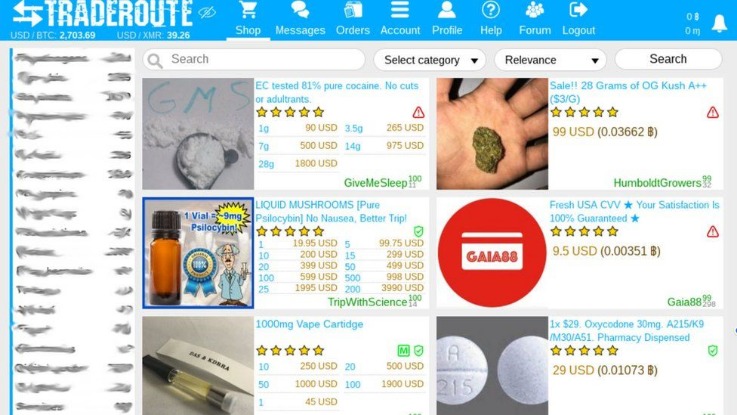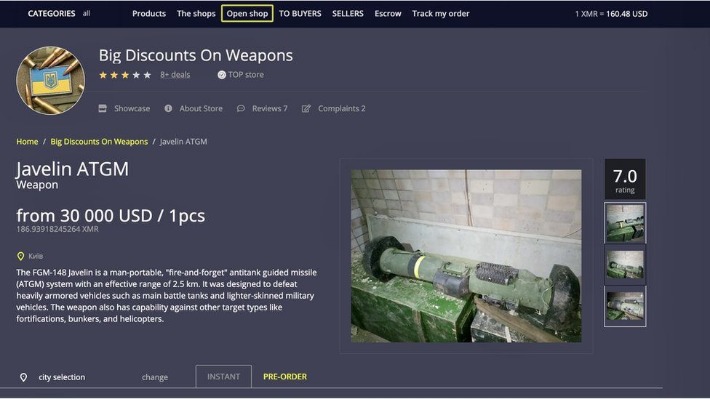
The darknet has gained notoriety over the years, functioning as a shadowy realm of the internet where anonymity reigns supreme. Within this hidden layer, the darknet black market serves as a virtual bazaar, facilitating the exchange of goods and services—some legal, but many illegal. As awareness of this underground market grows, understanding its dynamics becomes crucial. This article aims to shed light on the various aspects of the darknet black market, its structure, risks, and important considerations for staying informed.
Understanding the Darknet
The darknet is part of a larger network known as the deep web, which encompasses any online content not indexed by standard search engines. To access the darknet, users typically employ specific software, such as Tor, which anonymizes browsing activity. While many utilize the darknet for privacy-related reasons, it has unfortunately also become a hub for illicit activities.
The Appeal of the Darknet Black Market
There are several reasons individuals turn to the darknet black market. Some seek goods that may be difficult to procure legally, such as controlled substances, counterfeit items, or hacking services. Others may be motivated by the allure of privacy, where conventional laws and regulations don't apply. This environment can foster a sense of safety, but it is important to remember that using these markets carries significant risks.
Key Players in the Darknet Black Market
Several major players exist within the darknet black market. While the landscape frequently changes, specific markets have historically dominated the scene. Some of the well-known examples have included Silk Road, AlphaBay, and Hansa. Each platform offers various products and services, ranging from drug sales to hacking tools.
Types of Goods and Services
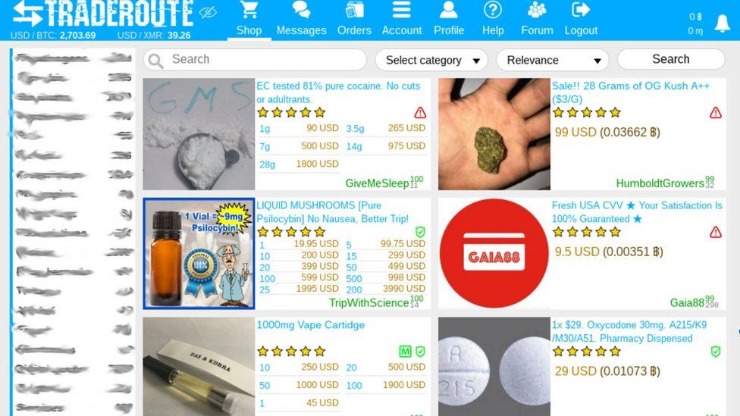
Goods traded on these marketplaces vary widely. Common categories include:
- Controlled Substances: A range of illicit drugs can be found, often sold through user reviews and ratings.
- Fake Documents: Forged identification papers and other legal documents are available, posing risks to the integrity of legal systems.
- Cybercrime Services: This includes hacking for hire, phishing kits, and other digital exploitations.
- Counterfeit Goods: From watches to clothing, many counterfeit products circulate in these markets.
The Risks Involved
Engaging with the darknet black market can lead to serious consequences. Users may encounter scams, with sellers disappearing after payment or delivering subpar goods. Moreover, law enforcement agencies are continuously monitoring these spaces, leading to potential legal repercussions for participants. Security risks further abound, as accessing these markets can expose users to malware and phishing attempts.
Staying Informed and Alert
For those interested in understanding the darknet rather than participating, it is essential to remain informed. Regularly reading articles, attending seminars, or joining discussion groups focused on cybersecurity can provide valuable insights into the inner workings of the darknet and its markets. Knowledge is the first step in safeguarding oneself from the dangers that lurk within.
Conclusion
The darknet black market is a complex and perilous environment that plays a significant role in modern digital culture. Understanding its mechanisms and implications can empower individuals to make informed choices, whether for personal safety or academic pursuit. Awareness of the risks and ethical issues presented by these markets is essential for fostering a prudent approach to online interactions.