The dark web is a part of the internet that is not indexed by traditional search engines like Google and is often shrouded in mystery and misconception. It hosts a variety of sites, some of which serve legitimate purposes, while others may engage in illegal activities. Understanding the dark web sites and their functionalities can be crucial in raising awareness about internet safety, privacy, and the potential risks involved in navigating these online spaces.
If you get a reliable vendor, you should procure the services to stay safe when accessing the dark web. This is because law enforcement often actively monitors these sites. While Tor offers anonymity on the dark web, your online activities leave breadcrumbs that can reveal your identity. The threat can extend to your entire network of devices connected to the internet. Many dark web sites offer malware as a tool for cyberattacks.
Dark Web Sites
By diving into topics such as secure browsing, anonymity tools, and the risks of the Dark Web, I strive to empower individuals and organizations to navigate the internet safely and responsibly in an era of growing digital challenges. The complexity and randomness of onion addresses make it easy for scammers and malicious actors to create spoofed versions of popular sites. Maintaining anonymity and security isn’t a one-time task; it’s an ongoing process that requires persistence and awareness. Threats here range from malicious actors looking to harvest your personal data to hidden exploits designed to compromise your system.
Dark web sites primarily exist on the Tor network, which allows users to browse anonymously. While this anonymity can be used for legal purposes, such as protecting freedom of speech and privacy for whistleblowers and activists in repressive regimes, it also creates a space for illegal activities.
The Range of Dark Web Content
- She writes to engage with individuals and raise awareness of digital security, privacy, and better IT infrastructure.
- Even without monitoring your browsing activities, DuckDuckGo will offer decent answers to your questions.
- Also, you must log in or have a specific IP address or URL to access the deep web content.
- Torch won’t censor your search results or keep logs of your search history.
- Your online activity and communicationsremain private and secret on the dark web.
Not all content on the dark web is illegal. It contains a variety of resources, including:
- Forums and Communities: These platforms provide users with the opportunity to discuss various topics, from technology to philosophy, often under pseudonyms to protect their identities.
- Whistleblower Sites: Websites like SecureDrop allow whistleblowers to share information anonymously with journalists, facilitating the exposure of corruption and wrongdoing.
- Privacy Tools and Resources: Some sites offer information on how to protect personal data and secure communications, promoting digital privacy.
Dark Web vs. Surface Web
- During my tests, ExpressVPN’s military-grade encryption and verified no-logs policy provided consistent protection against tracking and monitoring.
- However, Facebook’s dark web version will still log your data, so keep that in mind.
- I especially like how TorLinks categorizes links based on their type, letting you easily find what you need.
- Its dark web version provides the same functionality as the clear web option, while adding Tor’s anonymity layer.
- That’s because there’s not much information about the sites you can browse.
- Install Avast SecureLine VPN today to browse safely and securely, wherever your online travels take you.
It's essential to differentiate between the surface web and the dark web. The surface web consists of all searchable sites accessible through standard browsers, while the dark web requires special software, such as Tor, to access. This distinction often leads to misunderstandings about what can be found on the dark web.
Risks Associated with Dark Web Sites
While there are legitimate uses for the dark web, it is crucial to be aware of the risks, including:
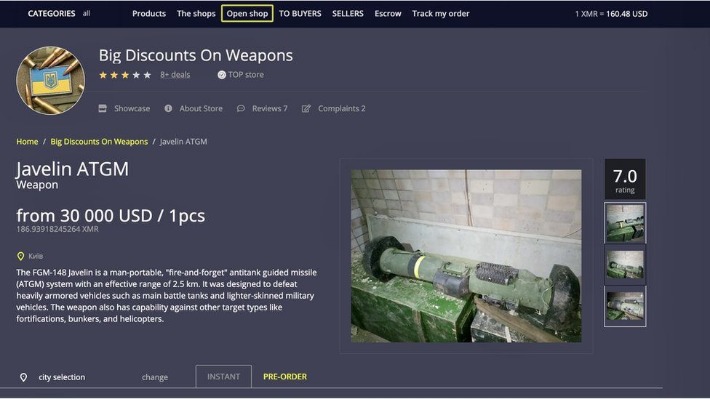
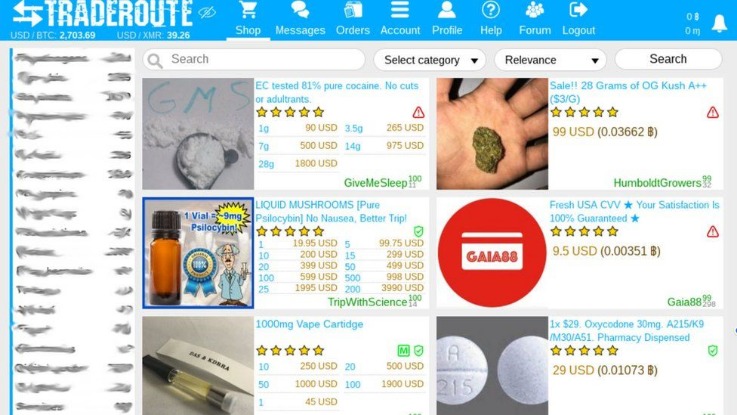
- Illegal Activities: Many dark web sites are known for illegal trade, including drugs, firearms, and personal data. Engaging with these sites can lead to severe legal consequences.
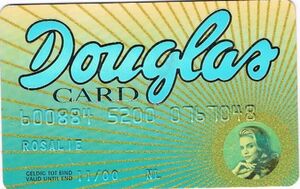
- Scams and Fraud: The anonymity of the dark web attracts fraudsters, making users susceptible to scams, including phishing attempts and fake goods.
- Exposure to Malicious Software: Visiting untrustworthy dark web sites can lead to malware infections that compromise personal security.
Best Practices for Navigating the Dark Web
If you choose to explore the dark web, it’s essential to navigate responsibly. Here are some best practices:
- Use a VPN: A Virtual Private Network (VPN) can add an extra layer of anonymity by masking your IP address.
- Stay Informed: Understanding the potential threats and legal implications can help mitigate risks.
- Limit Personal Information: Avoid sharing any personal identifiers to protect your identity and enhance your safety.
Conclusion

While the dark web offers unique opportunities for anonymity and secure communication, it also harbors significant risks. Being informed about dark web sites and understanding their implications is vital for anyone who ventures into this clandestine part of the internet. Awareness and caution can empower individuals to make safer choices and protect their online presence.