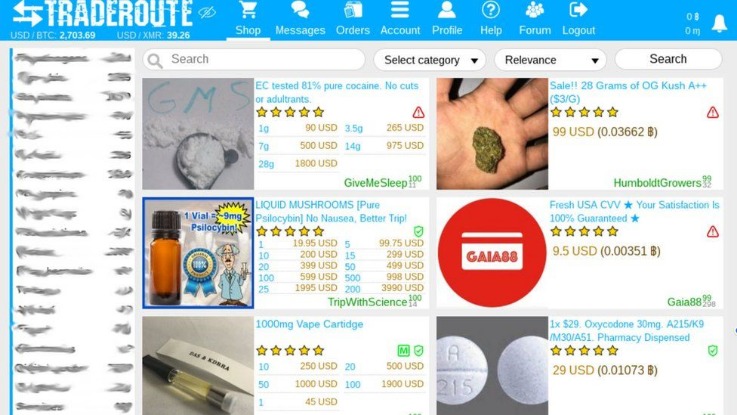
The dark web is a part of the internet that is not indexed by traditional search engines and requires specific software to access. While it often has a reputation for illicit activities, it also serves various legitimate purposes, such as privacy protection and communication under oppressive regimes. Understanding how to safely navigate and perform a dark web search can be crucial for individuals seeking information or anonymity.
Dark Web Search
Performing a dark web search can be daunting, but with the right tools and knowledge, it can be a straightforward process. Here’s a guide to help you understand how to safely explore this hidden part of the internet.
What You Need to Access the Dark Web
- Tor Browser: The most common way to access the dark web securely is through the Tor browser. It anonymizes your internet activity and allows access to .onion sites.
- VPN (Virtual Private Network): Using a VPN adds an extra layer of security by masking your IP address and encrypting your internet connection.
- Secure Operating System: Consider using a privacy-focused operating system, such as Tails, that runs from a USB drive and leaves no trace on your device.
How to Perform a Dark Web Search
Once you have the necessary tools, you can begin your dark web search. Follow these steps:
- Download and install the Tor browser to access the dark web safely.
- Connect to a VPN to further anonymize your connection.
- Start the Tor browser and navigate to search engines designed for the dark web, such as Ahmia or Not Evil.
- Use specific keywords relevant to your search. Remember that the available sites may have unique extensions like .onion.
- Stay cautious: Avoid clicking on suspicious links or providing any personal information.

Common Uses of the Dark Web
The dark web serves various purposes beyond illegal activities. Some of the common uses include:
- Whistleblowing: Whistleblowers often use the dark web to communicate confidential information without revealing their identity.
- Political Activism: In countries with oppressive governments, the dark web can facilitate secure communication among activists.
- Privacy Protection: Individuals may turn to the dark web for enhanced privacy measures to protect personal data.
Risks of the Dark Web
While there are legitimate uses for the dark web, it is important to be aware of the risks involved:
- Legal Consequences: Some activities on the dark web can lead to legal repercussions if you accidentally engage with illegal content.
- Scams: The dark web is rife with scams and fraudulent activities. Always verify sources before engaging.
- Malware: Downloading files or clicking on links from untrusted sources can lead to malware infections.
FAQs about Dark Web Searches
- Is the dark web illegal?
The dark web itself is not illegal; however, some content and activities on it may be illegal. - Can my ISP see my dark web activity?
If you use a VPN alongside the Tor browser, your internet service provider will not see your dark web activity. - Are all dark web websites dangerous?
Not all dark web websites are dangerous; many serve legitimate purposes, but caution should always be exercised.
In conclusion, mastering dark web search can provide insights and information that are not readily available on the surface web. While it offers opportunities for anonymity and privacy, it's essential to navigate it safely and responsibly. Equip yourself with the right tools, stay informed, and exercise caution as you explore this hidden layer of the internet.